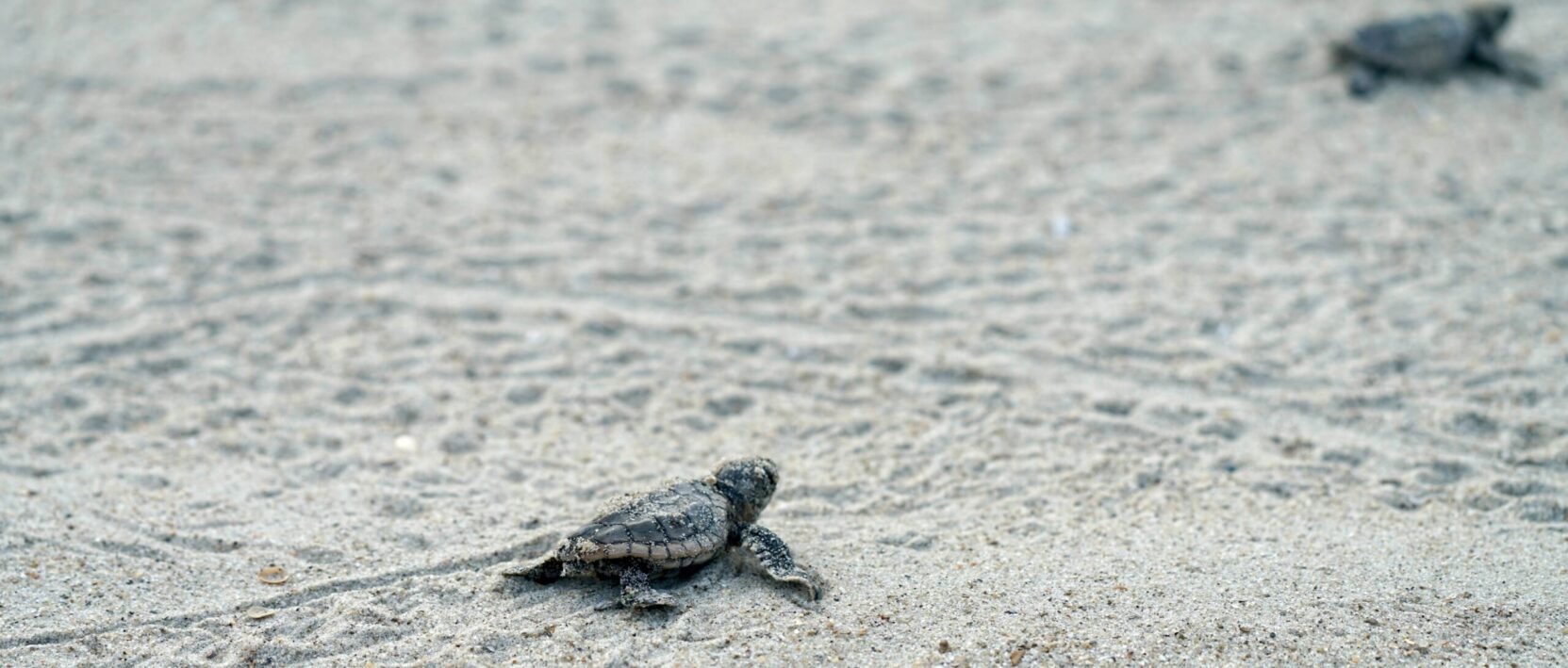
Photo Credit: Lindsey Koehler
Hey, Turtle Friends! 2026 Nest Adoptions are on hold due to the overwhelming response so far this year! Stay tuned for updates.
WHO WE ARE
Caswell Beach Turtle Watch is a private non-profit staffed solely by volunteers from the community. The organization and its volunteers are supervised by authorized program leaders who are designated permittees of the NC Wildlife Resources Commission.
OUR PURPOSE
The purpose of Caswell Beach Turtle Watch is to protect threatened and endangered sea turtles that lay their eggs on Caswell Beach. Efforts include community education, and monitoring and reporting on sea turtle nesting and hatch activities relying on the public’s help.
NEST ADOPTION
You can “Adopt-a-Nest” to help support the efforts of Caswell Beach Turtle Watch in their nest monitoring activities. When you adopt a nest, you receive a Certificate of Adoption, nest photos, and updates about your nest throughout the season.
Please be advised that all Caswell Beach Turtle Watch volunteers carry and wear a NCWRC Permit Badge. Official volunteers also must display Caswell Beach Parking Permits in parked vehicles at all times while performing sea turtle duties. Don’t hesitate to ask to see a badge if you are uncertain who you are speaking with! Also, see our UPDATED Sea Turtle Guidelines from NCWRC.
Video Highlights
2026 Turtle Data
2026 Nests
2026 False Crawls
2026 Volunteer Hours
2026 Hatched Eggs
Our Latest Updates
- Finding a Sea Turtle Nest Can Take a Village!Today’s Sea Turtle Mama took a circuitous and windy route before she laid her nest, making it a bit tricky to locate. Our morning patrol team dug wide and far, using the standard locators guided Read More
- Warm, Sunny Days Bring First Sea Turtle Nests!Caswell Beach Turtle Watch has been out patrolling and anxiously awaiting our first sea turtle nests. The first few weeks are always a guessing game to see what our Mama Turtles will do, where they Read More
- A Surprise Sea Turtle Release For Caswell BeachMeet Boston Cream Pie, Chocolate Mousse, Daylily, Flax, Kudzu, and Voodo Lily. These are the names for six cold-stunned, stranded sea turtles rescued and rehabilitated from the Cape Lookout National Seashore area this past winter. Read More
- Happy Mother’s Day! Sea Turtle “Mama Pebbles” is Back!Caswell Beach Turtle Watch’s Turtle Season is off to a great start with a Mother’s Day surprise from our Southport Sea Turtle Mama. Since has been the only of our sea turtle mamas who seems Read More
- Caswell Beach Turtle Watch Has a New Buggy!We are overjoyed by the generous response from our community to our urgent need to replace our beach patrol vehicle. Thank you to ALL who donated, and so quickly! Donations raised thus far have helped to Read More